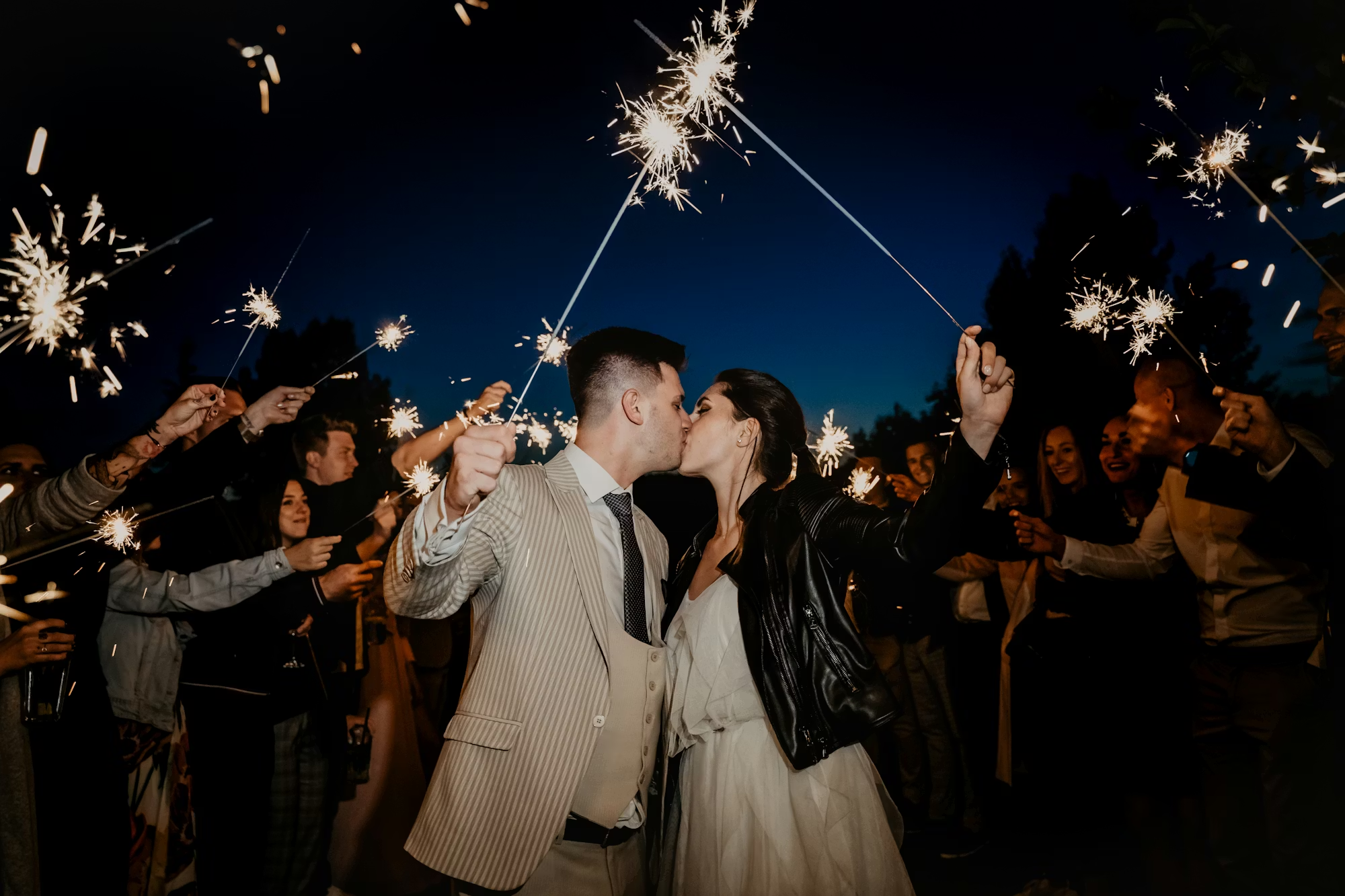
Weddings are an ancient celebration of love, commitment, and unity, but like many aspects of life, they are constantly evolving. What once were simple ceremonies are now elaborate celebrations filled with personal meaning, creativity, and new technological influences. From intimate elopements to large-scale destination weddings, the modern wedding is no longer bound by tradition alone; it’s a canvas for couples to express their unique stories and personalities.
Modern weddings reflect not only the love between two people but also the culture, social influences, and personal preferences that shape their relationship. While traditional elements like the white wedding dress, the church ceremony, and the exchange of vows remain integral to many couples’ weddings, new trends have emerged, offering an exciting blend of the old and the new. In this article, we will explore these trends, how they balance with traditional expectations, and what they mean for couples seeking to create memorable celebrations.
The Evolution of the Traditional Wedding
The traditional wedding, which has long been a cornerstone of many cultures, is still one of the most popular choices for couples around the world. These ceremonies often take place in a church or temple, accompanied by rituals and symbolic gestures that represent the couple’s commitment to each other. For many, a traditional wedding is deeply rooted in religious or cultural practices that have been passed down through generations.
However, in recent years, the idea of a ‘traditional’ wedding has expanded. While the core elements like vows, rings, and formal attire remain, couples are increasingly adding personal touches to these ceremonies. For example, modern brides might opt for non-white dresses, or even shorter or more unconventional styles, while grooms often choose more personalized suits or even creative themed outfits.
Many couples are also incorporating non-religious elements into their ceremonies, such as personalized vows, handfasting rituals, or unity candles, blending modern symbolism with traditional practices. This creates a celebration that reflects the couple’s values while honoring cultural traditions that hold significance to them and their families.
Personalized Weddings: Making the Day Truly Your Own
In today’s world, personalization has become a key focus for many couples when planning their weddings. Couples want their wedding to be a reflection of their personality and relationship, not just a re-creation of what society expects. This desire for uniqueness has led to the rise of personalized wedding elements that were once considered unconventional.
Couples today are choosing to customize every aspect of their weddings—from the ceremony to the reception and everything in between. For example, many brides and grooms are now writing their own vows, allowing them to express their love and commitment in a way that feels genuine to their relationship. Instead of using traditional wedding vows, which can sometimes feel impersonal, custom vows allow couples to share the special moments that define their connection.
Incorporating personal hobbies or shared interests is another way that couples are making their weddings their own. For instance, a couple with a passion for travel might decorate their venue with maps or suitcases, or include destination-themed elements throughout the day. A couple who loves a particular TV show or movie might integrate references into their wedding decor, guest favors, and even their wedding attire. The possibilities for personalizing a wedding are endless, and more couples are opting to create an experience that feels true to them, rather than following a predefined mold.
The Growth of Destination Weddings: Weddings as Adventures
In recent years, destination weddings have become increasingly popular, and it’s easy to see why. For couples who want something more than just a traditional ceremony, a destination wedding offers the opportunity to combine the joy of getting married with the excitement of travel. Whether it’s exchanging vows on a beach in the Maldives, in a vineyard in Tuscany, or on the cliffs of Santorini, a destination wedding allows couples to marry in a location that holds special meaning to them.
Destination weddings also tend to be more intimate, as only a select group of family and friends are typically able to travel for the event. This creates a more personal and relaxed atmosphere, where couples and guests can spend quality time together. In addition to the ceremony, many couples host several pre- and post-wedding events, such as welcome dinners, excursions, or casual gatherings, making the experience feel like a vacation for everyone involved.
Another advantage of a destination wedding is the natural beauty of the location. Whether on a sandy beach or in the mountains, a destination wedding provides an incredible backdrop for photos, helping to create memories that last a lifetime. The remote and scenic locations are often less expensive to book than traditional wedding venues, which can help reduce the overall cost of the wedding while still providing a dreamlike setting.
Elopements and Micro Weddings: Intimacy Over Extravagance
While large weddings with hundreds of guests still hold appeal for many couples, there has been a significant shift toward smaller, more intimate ceremonies. Elopements and micro weddings, which focus on fewer guests and more personal experiences, have become increasingly popular in recent years.
Elopements, once considered an act of secrecy, are now seen as an intimate and romantic option for couples who want to focus on each other without the stress and pressure of a large wedding. Instead of a big ceremony, elopements usually involve just the couple and an officiant, and sometimes a few witnesses. Many couples elope to a location that has special meaning to them, whether it’s a favorite city, national park, or even their backyard.
Micro weddings, which typically involve between 20 and 50 guests, are an excellent option for couples who want a more personal experience without completely forgoing a larger celebration. These weddings allow for a more focused and meaningful experience, where each guest is able to play a significant role in the celebration. Micro weddings often allow for more lavish touches in terms of food, decor, and entertainment, as the couple can allocate more resources per guest.
Both elopements and micro weddings reflect a shift away from the traditional wedding model, where the focus is on the couple’s connection rather than the grandeur of the event. These smaller celebrations allow couples to spend more quality time with their closest loved ones and reduce the pressure that often accompanies larger weddings.
Technological Innovations and Virtual Weddings
Technology has made its mark on almost every aspect of life, and weddings are no exception. From wedding planning apps to live streaming ceremonies, technology has revolutionized how weddings are organized, experienced, and shared.
One of the most significant ways technology is impacting modern weddings is through live streaming. This allows couples to include family and friends who cannot attend in person due to geographic or other constraints. With the advent of social media, it’s now possible for couples to broadcast their ceremonies to a wider audience, creating a virtual celebration that spans the globe.
Another technological advancement is the use of wedding planning tools and apps. These platforms allow couples to organize their wedding logistics from anywhere, keeping track of everything from guest lists to budgets to vendor contracts. Technology has made the entire process easier, less stressful, and more efficient, allowing couples to focus on enjoying their special day rather than worrying about the details.
Cultural Influences and Fusion Weddings
In our increasingly globalized world, weddings have become a space for couples to blend their cultural heritage with modern trends. Fusion weddings, where two different cultural traditions are incorporated into the ceremony and reception, are becoming more popular as couples from diverse backgrounds unite.
For example, a couple with both Asian and Western roots might choose to incorporate both a traditional tea ceremony and a Western-style wedding ceremony with vows and rings. Likewise, couples from Latin American and European backgrounds might combine elements from both cultures, such as food, music, and rituals, to create a celebration that honors both sides of their heritage.
Fusion weddings allow couples to celebrate their roots while creating a wedding day that reflects their shared journey. This approach emphasizes inclusivity and respect for cultural traditions, making the wedding a more meaningful and deeply personal event.
Conclusion: Weddings as Personal Statements
Modern weddings are no longer one-size-fits-all events. Today’s weddings reflect the diversity, individuality, and creativity of the couples who plan them. Whether embracing traditional elements or opting for something completely unique, couples now have the freedom to craft a celebration that is a true reflection of who they are and what they value.
As we move further into the 21st century, weddings will continue to evolve, driven by societal trends, technological advancements, and personal preferences. What remains constant, however, is the underlying meaning of the celebration: love, commitment, and the coming together of two people to begin a new chapter of life together.